When it comes to farming nowadays, picking the right crop drone can really make a difference. Experts like Dr. Angela Torres, from AgriTech Innovations, often point out that the right aerial tech can actually boost both your harvest and efficiency. But let’s be real — with so many options out there, it can feel pretty overwhelming for farmers trying to figure out what’s best.
You’ve gotta think about things like the size of the drone, the quality of the camera, and how well it can create maps. Not all crop drones are the same, either — some are great for covering large fields, while others are better suited for more targeted monitoring. Sometimes farmers might overlook what they actually need, which can end up causing more hassle than help.
So, investing in a drone that really fits your farming style is super important. Before making a decision, it’s worth taking a moment to think about your specific goals and problems. What works perfectly for one farmer might not be the best fit for another. By understanding the little differences between each model, you can avoid costly mistakes. With a bit of careful thought, the right crop drone can really help streamline your work and increase your crop yield — making everything a lot more efficient and less stressful.

Understanding the Basics of Crop Drones and Their Benefits
Crop drones have transformed agriculture, offering farmers innovative solutions for monitoring and managing crops. These UAVs gather real-time data, allowing farmers to detect issues like pests, diseases, and nutrient deficiencies early on. According to a report by Research and Markets, the agricultural drone market is expected to reach $4.2 billion by 2026, growing at a CAGR of 31.1% from 2021. This growth highlights the rising importance of precision farming techniques.
Understanding the basics of crop drones is essential. Most drones are equipped with advanced sensors and cameras, which provide aerial imagery and analysis. These tools enable farmers to assess plant health accurately. A study published in the Journal of Precision Agriculture indicates that using drones can increase crop yields by up to 20%. However, relying solely on technology may overlook other critical farm management practices. Environmental conditions and soil health still play crucial roles.
While the benefits of crop drones are clear, challenges remain. Some farmers may lack the technical skills to operate drones effectively. Additionally, weather conditions can limit UAV functionality. It's vital for farmers to weigh the costs and benefits of drone technology. Investing in training or partnerships may enhance their effectiveness. Balancing technology with traditional methods can create a successful farming strategy.
Identifying Your Specific Farming Needs and Goals
When selecting a crop drone, it’s crucial to identify your specific farming needs and goals. Farmers should evaluate the size of their land. Larger farms may require drones with extended flight times and higher payload capacities. According to a report by the Association for Unmanned Vehicle Systems International, nearly 80% of farmers using drones report increased efficiency in crop monitoring.
Consider the types of crops you grow. Different crops may need unique monitoring techniques. For instance, a bean field may require different imaging capabilities compared to a corn field. High-resolution cameras can capture crucial details, yet they tend to come at a higher cost. This investment must align with your financial goals and crop value.
Data collection is another vital factor. Look for drones that offer multispectral imagery or thermal imaging. These functions can help in assessing plant health and irrigation needs. However, not every farm may need such advanced technology. Understanding the nuances of your specific operation can prevent unnecessary expenses. Each decision should reflect a balance between technology benefits and your farming objectives.
Evaluating Different Types of Crop Drones Available on the Market
When looking at the various types of crop drones available, it’s crucial to understand their functionalities. Drones can perform tasks like mapping, planting, and monitoring crops. According to a report by MarketsandMarkets, the global agricultural drones market is projected to reach $6.52 billion by 2026. This growth reflects heightened interest in technology that enhances productivity and sustainability.
Different drones cater to various farming needs. Fixed-wing drones are efficient for larger fields. They can cover more area in a single flight. Conversely, multirotor drones excel in agility. They are ideal for precise applications in smaller plots. The choice largely depends on your specific requirements, such as field size and crop type. A drone suited for aerial photography may not be the best for spraying pesticides.
Additionally, think about the payload capacity. Some drones can carry sensors that analyze soil health, while others can disperse seeds. The data accuracy from sensor-equipped drones can significantly influence decision-making on the farm. However, the initial investment can be high, and there may be a learning curve in mastering the technology. Pricing varies widely, often reflecting the specifications needed for your specific tasks. Balancing budget and operational efficiency is essential in making informed choices.
Key Features to Consider When Choosing a Crop Drone
When selecting a crop drone, several key features are crucial. First, consider the camera quality. A high-resolution camera can capture detailed images. This is essential for assessing crop health accurately. Look for drones with multispectral imaging capabilities. They provide more information than standard cameras. This helps detect issues like nutrient deficiencies earlier.
Another important feature is flight time. Efficient drones should have a long battery life. Aim for models that can fly for at least 30 minutes on a single charge. Shorter flight times may lead to incomplete surveys. Also, examine the drone's range. A broader range allows you to cover larger fields without interruption. Ease of use is vital as well. An intuitive interface can save you from frustrating learning curves.
Don’t overlook software compatibility. Many drones come with specialized software for analysis. Ensure it fits your needs and is user-friendly. Additionally, consider the weight and portability of the drone. Heavier models may be more challenging to transport. Finally, think about the potential need for repairs or upgrades. Understanding maintenance requirements can save you time and money later.
Assessing Drone Technology: Sensors, Cameras, and Software Options
When assessing drone technology for farming, sensors are a key component. Different sensors serve various purposes. For instance, multispectral sensors can detect crop health by analyzing light wavelengths. This data offers insights into soil conditions and irrigation needs. Thermal sensors, on the other hand, can identify stressed plants and water deficiencies. Each type of sensor has its strengths and weaknesses, making it essential to align your choice with your specific farming objectives.
Cameras also play a significant role in crop monitoring. High-resolution cameras provide detailed imagery, allowing farmers to assess crop conditions over large areas quickly. Some models even feature zoom capabilities. However, the quality of the camera matters. Not all cameras deliver the same results in varying light conditions. Software integration is another consideration. Good software processes sensor and camera data efficiently. It can turn complex data into actionable insights. Finding software that complements your sensor choice is crucial for maximizing effectiveness.
Farmers should remain mindful of ever-evolving technology. What works today may not be suitable in a few years. Regularly evaluating your setup ensures you stay effective. Drone technology can greatly enhance farming, but it requires careful selection and assessment. Each choice should reflect your unique agricultural needs and challenges.
Budgeting for Your Crop Drone Purchase: Costs and Financing
Purchasing a crop drone can be a significant investment. Farmers often face challenges in budgeting for this technology. According to recent reports, the average cost of a quality crop drone ranges from $1,000 to over $10,000. This wide range reflects various specs like camera capabilities, flight duration, and payload capacity.
For many, financing options can provide relief. Some farmers opt for loans or leasing programs. These alternatives can reduce upfront costs. However, it's essential to consider the total cost of ownership, including maintenance and software subscriptions. Some reports highlight that ongoing expenses can exceed initial purchase costs.
Tip: Assess your unique farming needs. Determine the type of data you need from the drone. This clarity can help in choosing the right model and budget effectively.
Understanding financing terms is crucial. Interest rates and repayment schedules vary significantly. A 2019 industry study noted that farmers who researched financing options saved an average of 15% on overall costs. Therefore, always compare offers.
Tip: Consult with other farmers and experts. Gather feedback on their financing experiences. Real-world insights can guide your decision-making process effectively.
Maintenance and Support Considerations for Crop Drones
When selecting a crop drone, maintenance and support considerations are crucial. Regular maintenance can extend the lifespan of the drone. According to a report by the Agricultural Technology Council, up to 20% of drone failures are due to improper maintenance. Basic tasks include cleaning drone components and checking battery health.
Support services are vital for troubleshooting. Swift access to expert guidance can mitigate downtime on farms. Research indicates that 35% of farmers cite lack of support as a major barrier to drone use. Ensuring that the manufacturer offers training and technical support is essential.
Farmers should consider warranty options, too. Drones working in challenging conditions require robust protection. Reports suggest that over 60% of drone users face issues with malfunctioning parts. Understanding these risks helps in making informed decisions. Regular checks and a reliable support system can make a significant difference in overall productivity.
How to Choose the Best Crop Drone for Your Farming Needs? - Maintenance and Support Considerations for Crop Drones
| Drone Model |
Payload Capacity (kg) |
Flight Time (min) |
Camera Resolution (MP) |
Maintenance Frequency (months) |
Customer Support Hours |
| Model A |
5 |
25 |
20 |
6 |
24/7 |
| Model B |
8 |
30 |
16 |
12 |
Business Hours |
| Model C |
6 |
28 |
24 |
8 |
24/7 |
| Model D |
10 |
35 |
12 |
3 |
Business Hours |
FAQS
: Crop drones help monitor plant health, detect pests, and assess nutrient levels. They enable early intervention.
Studies show drones can boost crop yields by up to 20% through accurate health assessments and timely interventions.
Basic understanding of drone operation and software is necessary. However, many farmers may lack these skills.
Key features include high-resolution cameras, flight time, range, and ease of use. These affect overall effectiveness.
Prices range from $1,000 to over $10,000 based on specifications like camera quality and battery life.
Yes, farmers can consider loans or leasing programs to manage costs. It’s important to evaluate all options.
Beyond the initial cost, consider maintenance, software subscriptions, and potential repair expenses as part of total ownership.
Assess your needs clearly. Understanding what data you require helps you select the most suitable model within your budget.
Specialized software aids in data analysis. Ensuring compatibility with your needs can enhance usability and effectiveness.
Research financing options thoroughly. Consulting with experienced farmers can provide valuable insights to save costs.
Conclusion
Choosing the best crop drone for your farming needs involves understanding the fundamentals of crop drones and their advantages in precision agriculture. By clearly identifying your specific farming requirements and goals, you can better evaluate the various types of crop drones available on the market. It's crucial to consider key features such as flight time, payload capacity, and compatibility with different sensors and cameras to enhance your farm's productivity.
Additionally, assessing the technological aspects, including advanced sensors and software options, will empower you to make informed decisions. Budgeting is also a vital step, as it includes understanding the costs associated with crop drone purchases and available financing options. Finally, consider maintenance and support to ensure that your investment in a crop drone remains beneficial in the long run, helping you maximize efficiency and crop yields.
 GDU
GDU
 UUUFLY
 DJI
DJI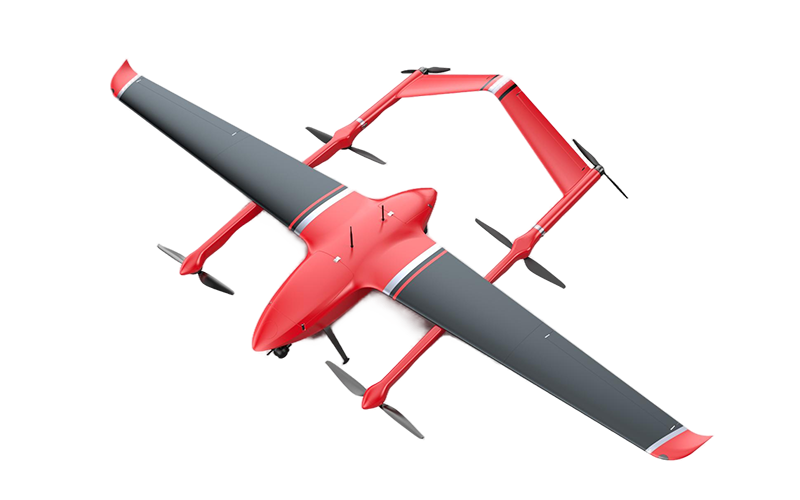 MMC
MMC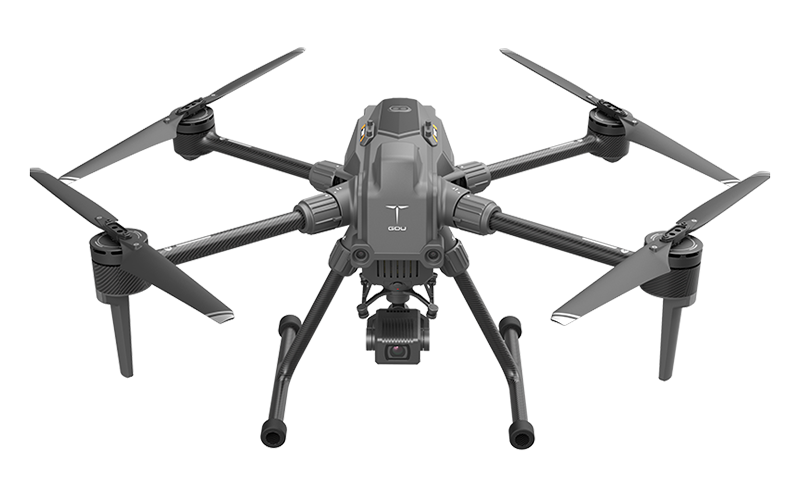 GDU
GDU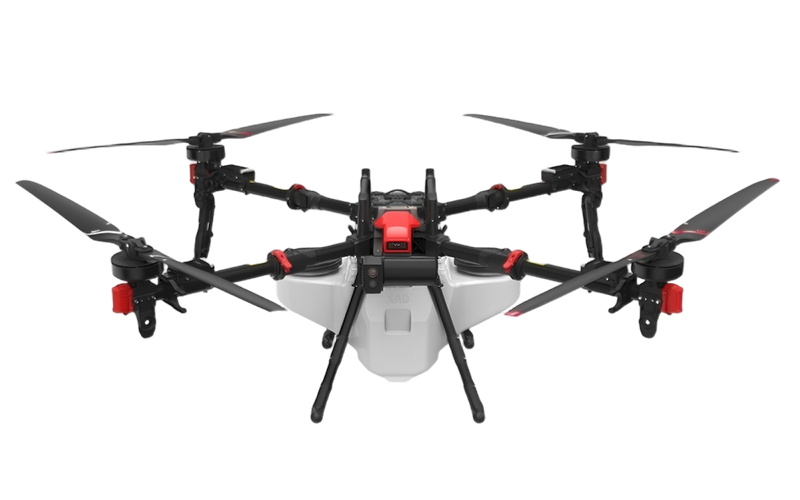 XAG
XAG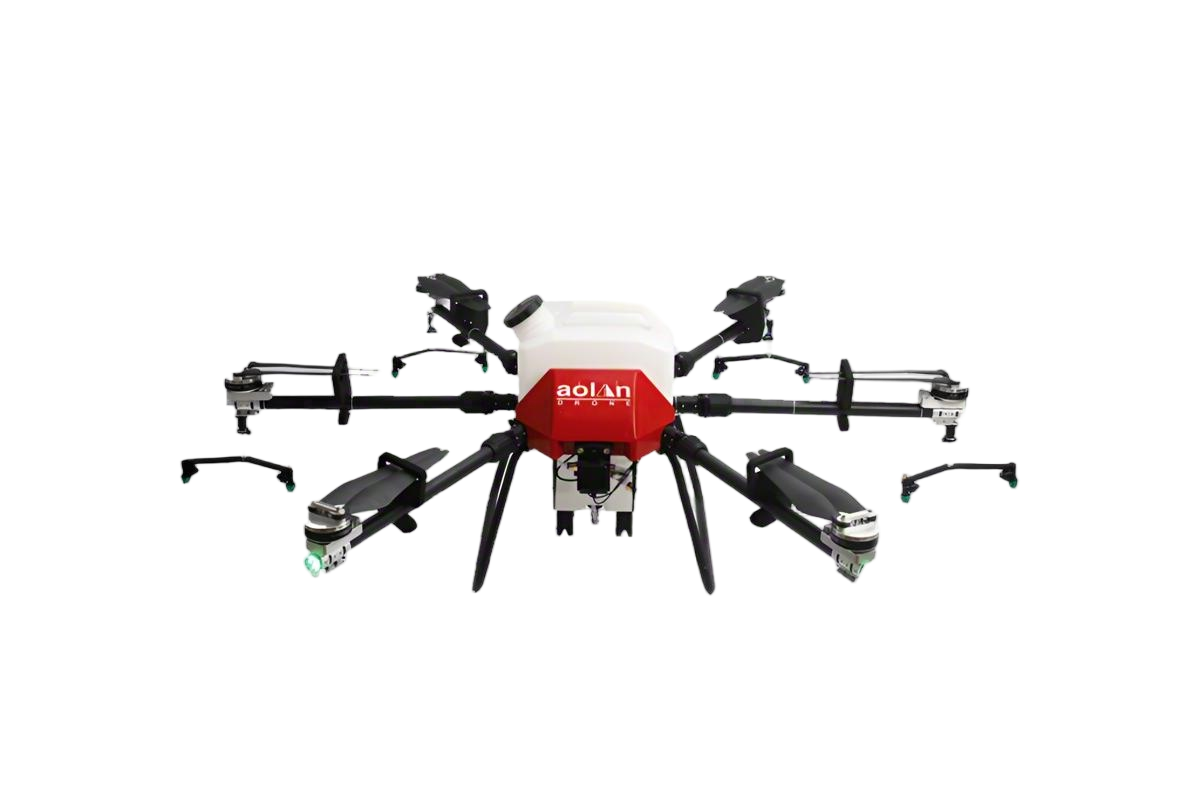 AOLAN
AOLAN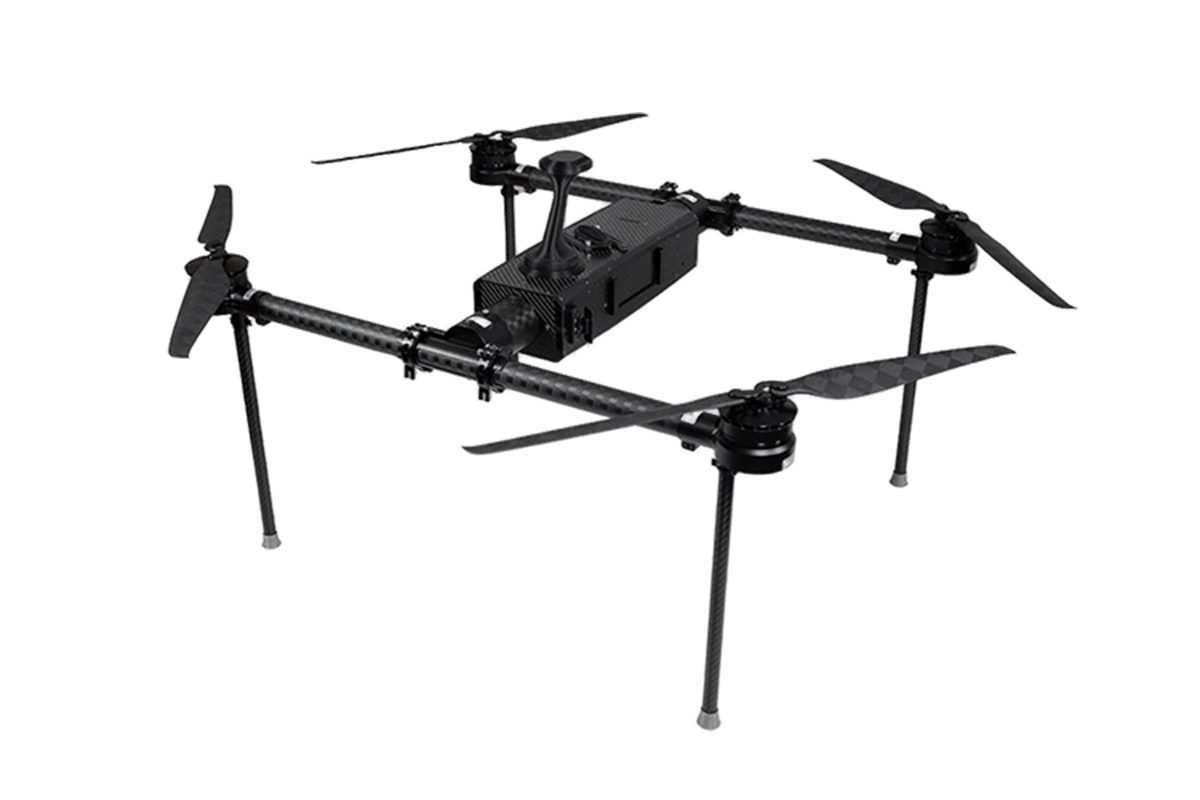 KEEL
KEEL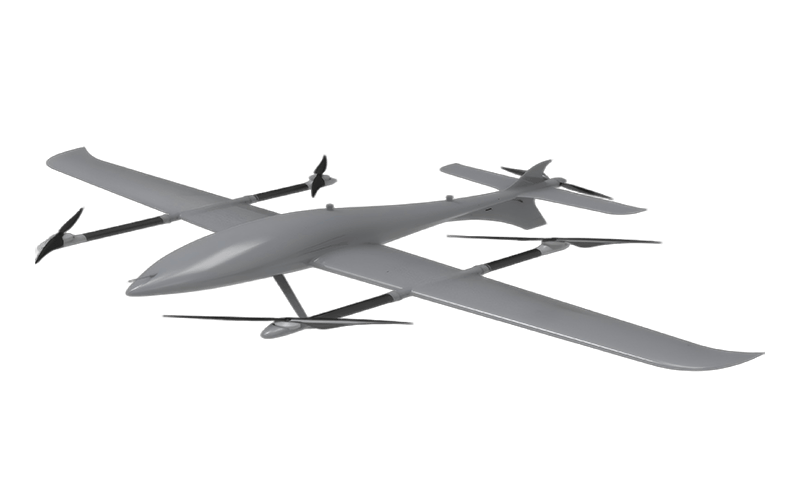 SKY NEXT


